
Site review
Assess the structure, access, surrounding risks, and materials before anything starts.
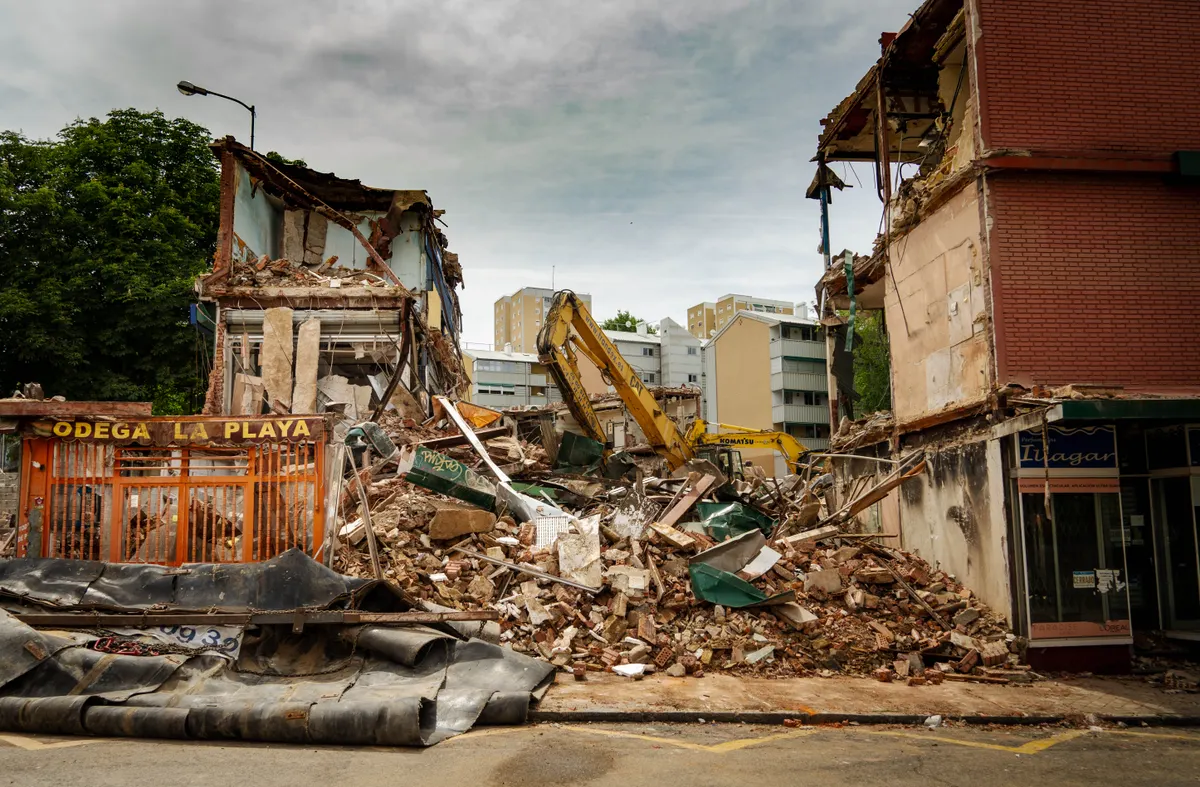
Trusted Commercial Demolition Team
A structured, safety-first commercial demolition service for offices, warehouses, retail spaces, and industrial sites across Adelaide.
Service guide
Commercial demolition in Adelaide requires more than heavy machinery and site clearing. It needs careful planning, safe execution, experienced operators, and a team that understands how to work around buildings, businesses, public areas, neighbouring properties, and strict project timelines. Whether you are preparing a site for redevelopment, removing an outdated structure, or clearing a damaged commercial building, professional demolition keeps the process controlled from start to finish.
At Adelaide Demolition, we provide commercial demolition services for property owners, builders, developers, project managers, councils, and businesses across Adelaide. Our work focuses on safe dismantling, efficient removal, responsible waste removal , and clean site preparation.
Successfully submitted.
Please expect 1–2 days to get a response, if not, feel free to submit your quote request again.

01
Our commercial demolition services are designed for businesses, developers, and construction teams that need a reliable contractor to remove structures safely and efficiently. We assist with full building demolition, partial demolition, internal strip-outs, structural removal, site clearing, debris loading, material separation, and preparation for future building work.
Full commercial demolition is suitable when an entire building needs to be removed — old offices, shops, industrial units, storage facilities, commercial sheds, and workshops. Partial demolition is ideal when only part of a building needs to be removed, such as during renovations, extensions, or structural upgrades.

02
Commercial demolition is not just about knocking down a building. It involves safety, compliance, project coordination, environmental responsibility, and protecting surrounding assets. A poorly managed demolition can affect nearby properties, create hazards for workers and the public, delay construction schedules, and increase overall project costs.
One of the most important parts is site assessment. Before work begins, the building must be reviewed to understand its structure, condition, materials, access limitations, and surrounding risks. Commercial sites may also require asbestos removal before structural demolition can begin.

03
Our commercial demolition process starts with understanding your project. We look at the building, location, access, structure type, required scope, and desired outcome. The first step is site review — we assess the condition of the structure, available space for equipment, nearby buildings, possible service connections, and any materials that may need special handling.
Once the site is ready, demolition begins using the appropriate method for the structure. Some buildings require machine demolition, while others need more controlled manual or selective removal. Larger commercial sites may involve excavators, attachments, trucks, and loaders. As materials are removed, debris is sorted and loaded for disposal or recycling where appropriate.

04
Choosing Adelaide Demolition means working with a team that understands the practical demands of commercial demolition. We know that every project has different goals — clearing a block for redevelopment, removing an unsafe building, preparing a shop for renovation, or demolishing an industrial structure.
Our team values safety. Commercial demolition can be complex, so we take care to manage hazards, control debris, and work in a way that protects people, property, and nearby areas. A demolition job is not complete until the area is properly cleared and prepared for the next trade.
Commercial demolition in Adelaide requires more than heavy machinery and site clearing. It needs careful planning, safe execution, experienced operators, and a team that understands how to work around buildings, businesses, public areas, neighbouring properties, and strict project timelines.
At Adelaide Demolition, we provide commercial demolition services for property owners, builders, developers, project managers, councils, and businesses across Adelaide and nearby areas. Our work focuses on safe dismantling, efficient removal, responsible waste handling, and clean site preparation.
Our commercial demolition services are designed for businesses, developers, and construction teams that need a reliable contractor to remove structures safely and efficiently. We assist with full building demolition, partial demolition, internal strip-outs, structural removal, site clearing, debris loading, material separation, and preparation for future building work.
For industrial and warehouse demolition, we understand that larger sites may involve heavy materials, wide access areas, concrete surfaces, steel framing, machinery bases, and large volumes of debris. These jobs require the right equipment and a practical workflow.
Commercial demolition is not just about knocking down a building. It involves safety, compliance, project coordination, environmental responsibility, and protecting surrounding assets. One of the most important parts is site assessment — before work begins, the building must be reviewed to understand its structure, condition, materials, access limitations, and surrounding risks.
Waste handling is also part of the process. Commercial demolition can produce concrete, brick, timber, metal, plasterboard, glass, roofing materials, fixtures, and general debris. Responsible separation and disposal help keep the site cleaner and may allow some materials to be recycled where suitable.
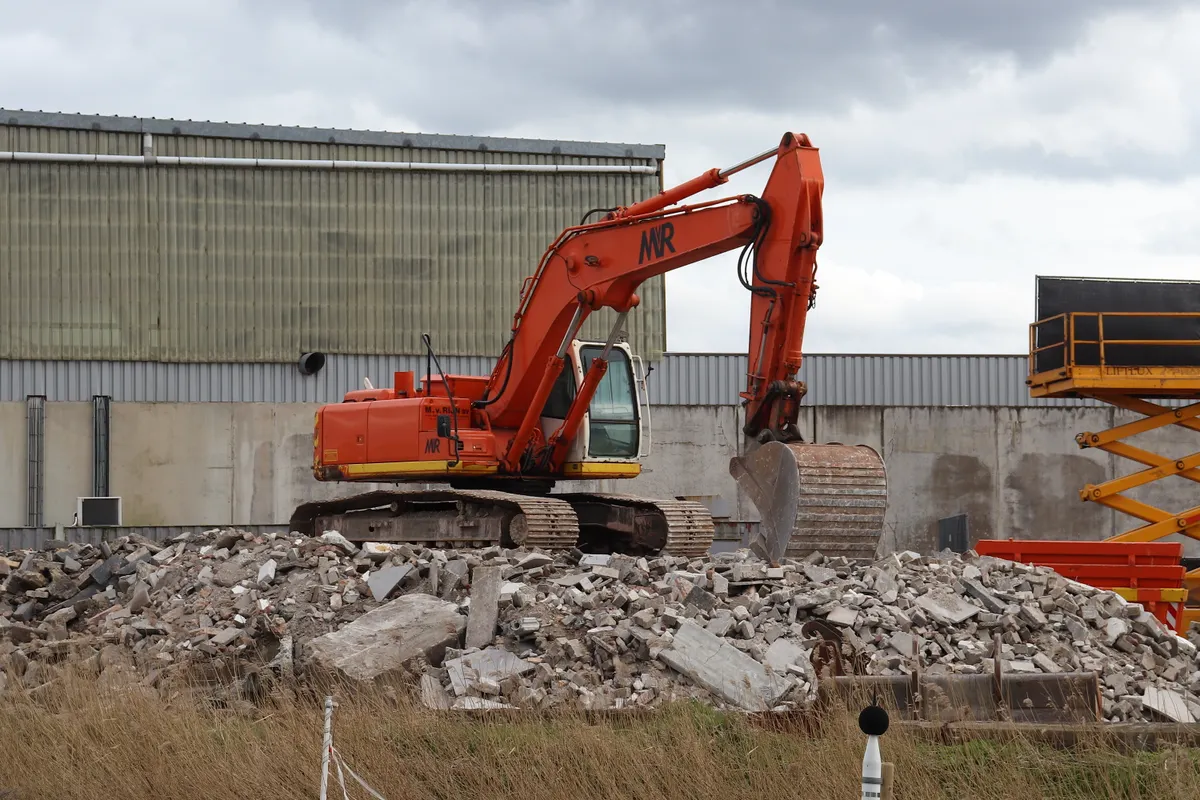
Controlled demolition
Every movement is staged around access, neighbours, public interfaces, material recovery, and the handover condition the next trade needs.
Service proof
Full range
Building types
Planned
Site delivery
Metro Adelaide
Coverage
Assess the structure, access, surrounding risks, and materials before anything starts.
Secure the area, plan access routes, confirm demolition sequence and equipment.
Controlled removal using the right method for the structure size and site conditions.
Materials separated and loaded for disposal or recycling where appropriate.
Area cleared, swept, and prepared for the next stage of construction or development.
Premium project delivery
Book a site inspection and receive a clear demolition plan, transparent scope, and practical next steps.
FAQ
Can not find the answer you need? Call the team and we will talk through the site.
Commercial demolition can include offices, shops, warehouses, factories, retail spaces, workshops, industrial sheds, hospitality venues, and mixed-use buildings. The correct method depends on the structure, materials, location, and access. A site inspection helps determine whether full demolition, partial demolition, or selective removal is the best option.
The timeframe depends on the size of the building, site access, materials, required preparation, and waste removal needs. Small commercial strip-outs may be completed faster, while large structures can take longer. A clear project assessment helps estimate the schedule and avoid unnecessary delays.
Some commercial demolition projects may require permits, approvals, service disconnections, or council-related requirements before work begins. The exact requirements depend on the building, location, and project scope. It is best to confirm these early so the demolition can proceed safely and without avoidable interruptions.
Yes, partial and selective demolition can be completed when only certain sections need removal. This is common during renovations, extensions, upgrades, and redevelopment projects. The work must be carefully planned to help protect the remaining structure.
Demolition waste is usually sorted, loaded, and removed from site. Materials may include concrete, brick, timber, metal, plasterboard, roofing, and general debris. Where suitable, some materials may be separated for recycling. Proper waste handling helps keep the site clean and ready for the next stage.